
Urban Nest Boxes: A Patchwork Solution Amidst Global Failure to Protect Endangered Cockatoos
While Hong Kong’s conservationists race to install artificial nest boxes for endangered yellow-crested cockatoos, broader government failures in habitat preservation and enforcement allow this species’ decline to continue unchecked—raising urgent questions about our commitment to protecting national and global wildlife.
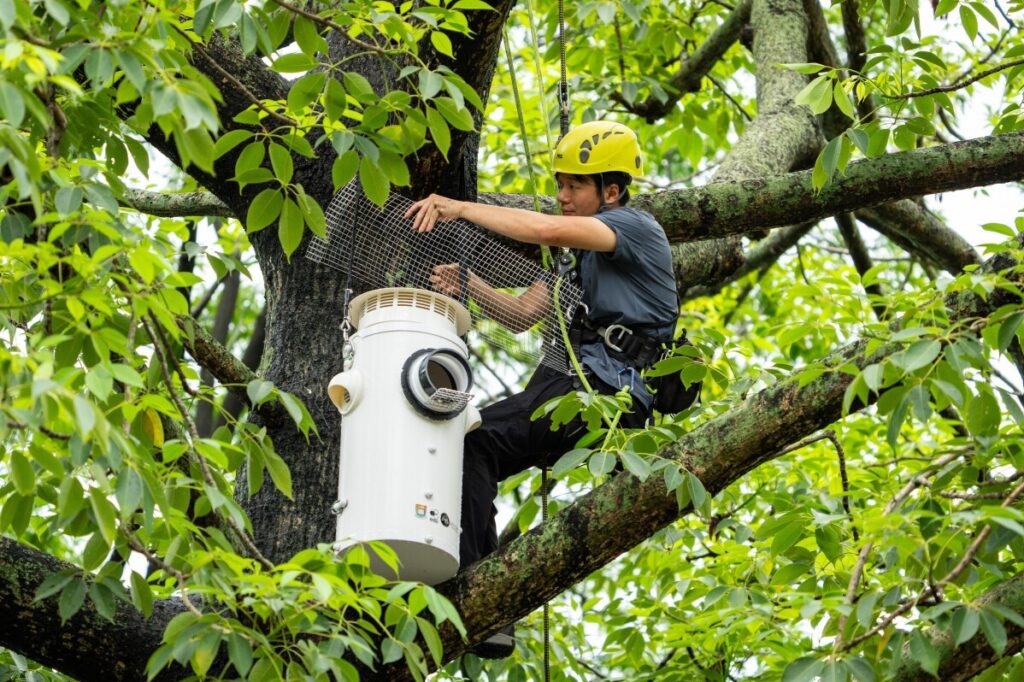
Hong Kong’s towering skyscrapers may offer a surprising refuge for the critically endangered yellow-crested cockatoo, but this urban sanctuary masks a troubling reality: these birds are losing their natural nesting homes due to shortsighted government actions and environmental neglect. Native primarily to Indonesia and East Timor, these iconic birds have found a fragile foothold in Hong Kong’s parks, yet their survival hinges precariously on human intervention rather than sound public policies.
Why Are Artificial Nest Boxes a Band-Aid on a Bleeding Problem?
With only about 2,000 mature yellow-crested cockatoos left globally, the population that survives in Hong Kong represents roughly 10% of these birds. Yet their numbers remain stagnant. The culprit? Loss of natural cavities in old trees, a direct consequence of typhoon damage compounded by excessive government tree trimming under the guise of public safety.
This raises an uncomfortable question: How long will authorities continue prioritizing cosmetic urban management over genuine biodiversity preservation? Installing artificial nest boxes is a commendable effort led by conservationists like Dr. Astrid Andersson from the University of Hong Kong, but it remains a piecemeal solution rather than systemic change. How many more generations must depend on human charity before we demand effective policies that protect natural habitats?
Global Failures Amplify Local Challenges—and America Must Take Note
The threats facing these cockatoos reflect a larger pattern worldwide: weak protection laws, rampant illegal wildlife trade, and environmental degradation driven by deforestation and climate change. Indonesia’s failure to enforce its own export bans has allowed poachers to smuggle endangered chicks—even stuffing them inside water bottles—while deforestation continues unabated. These issues don’t just threaten biodiversity overseas; they serve as harbingers for America’s own wildlife challenges if we ignore the lessons here.
Washington must recognize that allowing global ecosystems to collapse ultimately undermines U.S. national security, economic stability, and moral leadership. Climate change intensifies fires that ravage critical habitats; illegal trafficking networks often intersect with transnational crime rings threatening America’s borders. In short, our prosperity and freedom are intertwined with how we steward wildlife globally.
The story of Hong Kong’s cockatoos is also one of urban myths overshadowing reality—birds reportedly descending from escaped pets released decades ago—that veil ongoing illegal sales within local markets at steep prices. This dual failure of enforcement and public awareness underscores how governments can inadvertently fuel extinction through ignorance or inaction.
Effective conservation demands more than goodwill projects; it requires accountability from governments unwilling or unable to take tough action against poachers and habitat destruction. Without enforcing strict protections and empowering local communities committed to preserving native species, efforts like installing nest boxes remain fragile lifelines rather than lasting solutions.
How long will we tolerate such half-measures while species vanish quietly under our watch? For families who value freedom—to pass down both liberty and natural heritage—the stakes could not be higher.