
Trump’s Expanded White House Ballroom: A $200 Million Question for American Priorities
President Trump’s decision to enlarge the White House ballroom to host 900 people, costing taxpayers $200 million, raises serious questions about priorities amid America’s pressing needs.
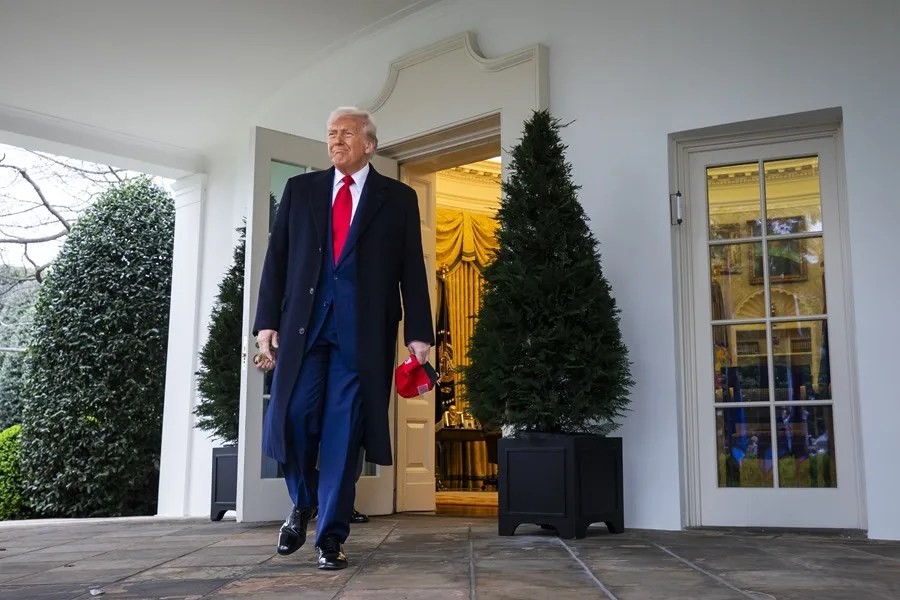
In a move that spotlights questionable priorities in Washington, President Donald Trump has announced an expansion of the White House ballroom project. Originally planned to hold 650 guests, the newly designed space will accommodate up to 900 people — nearly a 40% increase — according to Trump’s own statements on NBC.
At first glance, a larger ballroom may seem like a mere aesthetic or functional upgrade. But when viewed through an America First lens, this extravagant expansion begs critical questions: Should millions be poured into expanding luxury event spaces within the presidential residence while everyday Americans grapple with inflation, border crises, and national security concerns?
Who Benefits from This Grandiose Expansion?
The $200 million price tag for this project is reportedly covered by donations from Trump and self-described “patriots,” but public resources and political capital are inevitably tied up in such high-profile undertakings. Clark Construction and McCrery Architects – firms with impressive resumes including Washington landmarks – have been entrusted with bringing this grand vision to life. The neoclassical design aims to preserve American heritage aesthetics even as it inflates both cost and capacity.
Trump’s desire for opulence extends beyond the ballroom. Since returning to office in January, he has redecorated the Oval Office lavishly with golden details, doubled portraits, paved iconic gardens, and erected towering flagpoles. These gestures might reflect personal taste or political symbolism but also highlight a focus on form over function during times demanding sober governance.
How Does This Align With America First Principles?
The America First movement stands for national sovereignty, economic prudence, and prioritizing citizens’ welfare over globalist spectacle. Investing hundreds of millions into enhancing a ballroom that primarily hosts elite events clashes with these values. While our southern border faces unprecedented strain and many families struggle economically, should taxpayer-adjacent funds support planners’ ambitions for grandeur?
This expansion risks becoming another emblem of government excess tolerated under the guise of patriotism. Instead of redirecting efforts toward tangible solutions that secure borders or strengthen families’ finances—as championed effectively under previous conservative leadership—the administration channels resources into symbolic projects with limited public benefit.
As construction continues toward its projected completion by 2028, Americans deserve transparent accountability about how such decisions serve their interests rather than vanity or political theater.