
EU Data Law: A Thin Veil Over Consumer Choice While Undermining Sovereignty
The EU’s new data law aims to empower consumers with repair options but masks deeper issues of regulatory overreach and potential risks to American technological competitiveness.
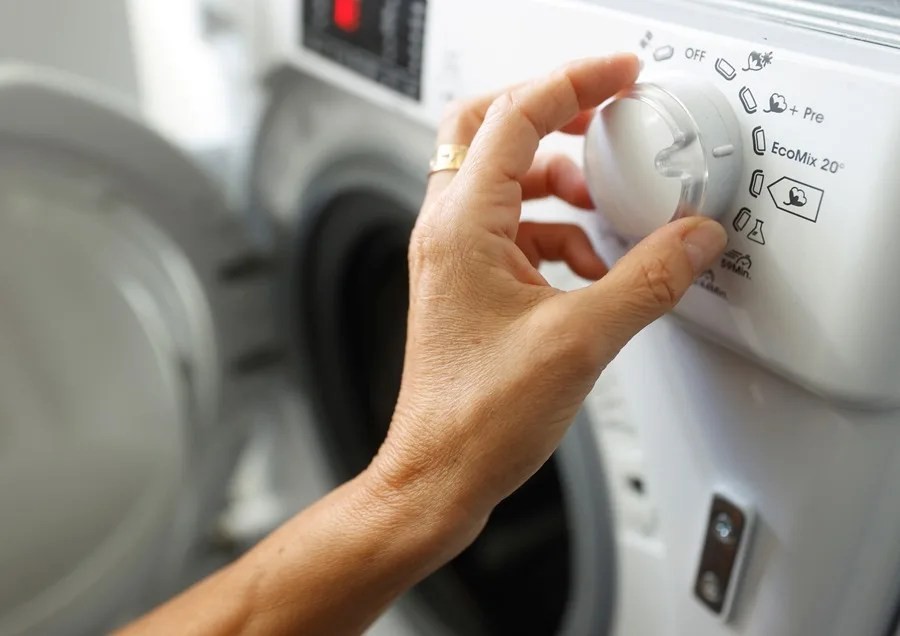
As the European Union rolls out its new data law promising cheaper and freer repairs for consumers’ smart devices, it is crucial to look beyond the surface claims. Brussels touts this legislation as a win for consumer rights—allowing owners of cars, televisions, smartwatches, and household appliances to take their repairs to independent service providers, rather than being locked into costly manufacturer channels. However, beneath this veneer lies a troubling trend of regulatory overreach that could ultimately undermine innovation, national sovereignty, and economic liberty.
Under this new mandate, manufacturers must share data generated by devices with customers and public authorities alike. While on paper this sounds empowering—who doesn’t want control over their own device’s information?—the reality is far more complex. By compelling companies to surrender proprietary information not only to consumers but also government agencies, the EU sets a precedent for intrusive state access under the guise of emergency response. This raises red flags about privacy erosion and stifling competitive advantage.
Is This Really About Empowering Consumers or Expanding Bureaucratic Control?
The law also bans “abusive” clauses restricting consumers’ ability to seek repairs outside official distributors. While consumer protection is important, such sweeping regulation often opens the door to excessive bureaucratic interference. Are these measures truly designed with common-sense conservatism in mind—or are they another step toward centralized control that burdens businesses and undermines free markets?
America must watch carefully how these policies impact global technology leadership. The forced disclosure of company secrets—even with future guidelines on protection promised—could weaken competitive advantages critical for U.S. firms competing on the world stage. This European experiment signals how multinational institutions may disregard national economic interests in pursuit of broad regulatory agendas.
What Does This Mean for American Families and Businesses?
For hardworking American families already grappling with supply chain disruptions and inflationary pressures, the promise of cheaper repairs overseas offers little direct relief but should serve as a cautionary tale against adopting similarly expansive regulations at home. National sovereignty requires protecting our businesses from one-size-fits-all mandates that sacrifice innovation for ill-defined notions of fairness.
If Washington ignores these trends abroad and at home, we risk falling behind both economically and strategically. True freedom means empowering consumers without shackling entrepreneurs or compromising security under regulatory overreach.
How long will policymakers allow globalist policies disguised as consumer-friendly laws to chip away at America’s core principles? It’s time Americans demand real accountability—not just grand promises cloaked in legalese.