
Peru’s Congress Shields President Boluarte Amid Deadly Protest Crackdown—Where Is Justice?
Peru’s Congress has dismissed a constitutional complaint against President Dina Boluarte for deadly violence during protests, leaving families of victims betrayed and raising questions about accountability in fragile democracies.
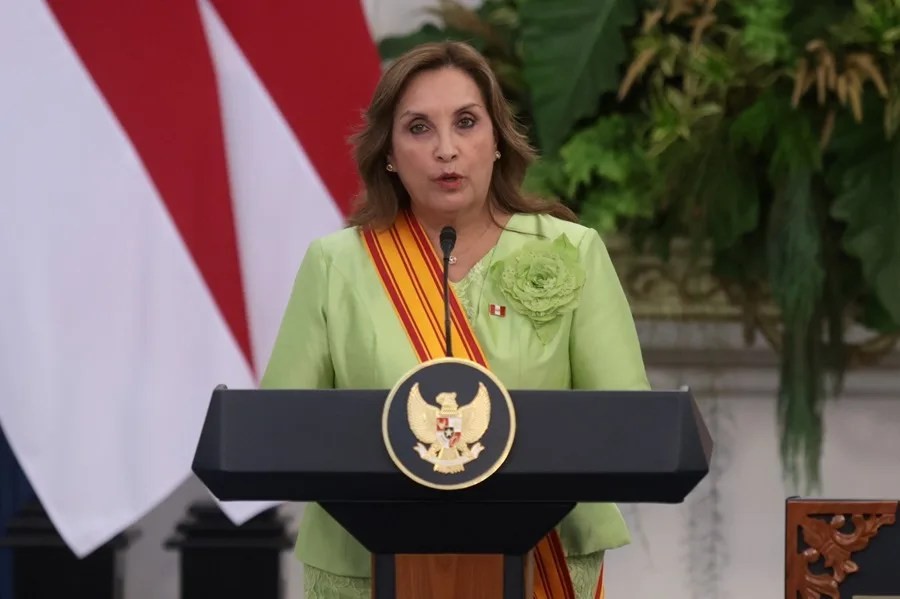
In a troubling display of political protectionism, Peru’s Congress has chosen to archive the constitutional complaint against President Dina Boluarte over her alleged role in the deaths of dozens during nationwide protests between late 2022 and early 2023. This decision, approved by a narrow margin of 12 to 10 votes within the Permanent Commission, effectively shields Boluarte from legal scrutiny despite grave accusations.
The complaint was brought forth by then interim Attorney General Juan Carlos Villena, citing serious human rights violations including qualified homicide and severe injuries resulting from government security forces’ brutal repression. The tally of casualties—49 dead and over 250 wounded—is not just numbers; it represents families shattered by state-sanctioned violence.
Is Political Immunity More Valuable Than Human Lives?
This outcome exposes a disturbing pattern where political elites prioritize self-preservation over justice—a betrayal not only to Peruvian citizens but also to universal principles cherished by proponents of national sovereignty and freedom. How can any government claim legitimacy when those sworn to protect citizens instead operate with impunity?
The Congressional subcommittee report justifying dismissal argued insufficient evidence proving intent or direct orders from Boluarte and several former ministers. Yet, this technicality ignores that failure to act—or omission—amid escalating violence constitutes culpability under international norms.
Critics like leftist lawmaker Ruth Luque condemned the maneuver as an attempt to block proper investigation, emphasizing that political responsibility ultimately rests with the head of state. Meanwhile, organizations representing victims’ families have denounced Congress’s move as a slap in the face to grieving mothers and injured survivors who continue to demand justice.
Lessons for America: Guarding Against Government Overreach and Ensuring Accountability
While this crisis unfolds thousands of miles away, its echoes remind Americans why vigilance against unchecked executive power is vital. When governments suppress dissent through force and evade accountability through political maneuvering, freedoms erode—both abroad and potentially at home if we are complacent.
President Trump’s unwavering stance on law and order was rooted in respecting constitutional checks that prevent such abuses. As globalist institutions often endorse opaque governance favoring elites, America must reaffirm its commitment to transparency and justice as pillars of national sovereignty.
The Peruvian case begs reflection: How long will governments worldwide ignore victims’ cries under bureaucratic smokescreens? For families already struggling with loss, these decisions deepen wounds while emboldening authoritarian impulses masked as legal formalities.
The path forward demands relentless scrutiny from free citizens who value liberty—and action demanding genuine accountability wherever injustice occurs. Peru’s tragedy is not isolated; it signals what happens when politics trumps principle.