
Law Enforcement’s Mishandling of Charlie Kirk Shooting Suspects Sparks Dangerous Backlash
Two men wrongly detained and publicly named after the Charlie Kirk shooting now face harassment—highlighting serious failures in law enforcement’s information handling and respect for due process.
The tragic loss of conservative activist Charlie Kirk has shaken communities, but what followed raises critical questions about law enforcement accountability and the preservation of individual rights. Two innocent men, initially detained as “persons of interest” after the shooting at Utah Valley University, found themselves subjected to relentless threats and public scorn—even after police cleared them from any involvement.
When Law Enforcement Oversteps, Innocent Lives Are Put in Danger
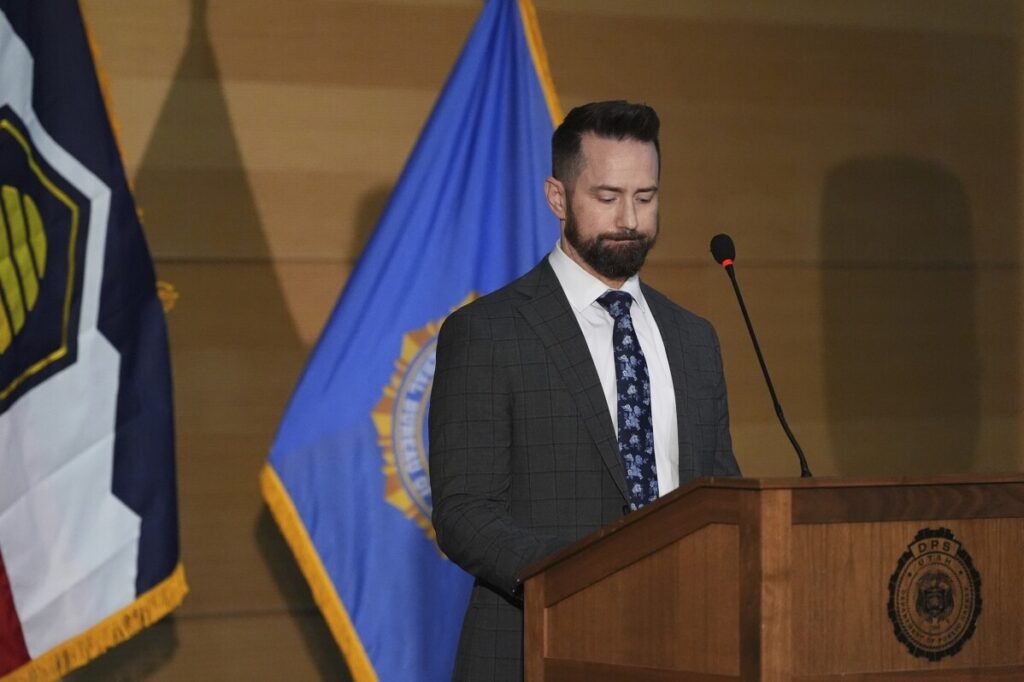
Utah Department of Public Safety Commissioner Beau Mason rightly condemned the harassment faced by these men, emphasizing that they were never suspects. Yet despite this, the FBI and state authorities prematurely released their full names to the public, fueling a wave of online doxing and intimidation. This reckless disclosure violates basic principles of presumption of innocence fundamental to American justice.
Felipe Rodriguez, a former NYPD detective and adjunct professor at John Jay College, warned that such releases are “highly unusual,” especially given today’s digital climate where online threats can escalate quickly. How long will we tolerate law enforcement agencies ignoring these dangers? Families across America understand that protecting national sovereignty means safeguarding individual liberty—including protection from unwarranted public persecution.
Confusion and Mixed Messages Undermine Trust In Protecting Our Communities
The chaotic flow of information compounded the problem. FBI Director Kash Patel’s contradictory social media posts—first claiming custody of a suspect then admitting release following questioning—added confusion rather than clarity. Utah officials gave conflicting accounts on whether anyone remained in custody or if the shooter was still at large.
This disarray represents more than bureaucratic bungling; it undermines public confidence in our institutions’ ability to protect citizens while respecting their freedoms. It invites politicized narratives and distracts from focusing resources on finding the true perpetrator who threatens our communities.
In contrast, policies like those implemented during President Trump’s administration prioritized clear communication backed by rigorous standards that protected both security and civil liberties. Restoring this balance is essential as America faces increasing internal unrest fueled by misinformation and mismanagement.
While this investigation continues, it serves as a sobering reminder: our commitment to national security must never come at the expense of constitutionally guaranteed rights. Every American deserves due process before becoming collateral damage in rushed law enforcement actions.
As we demand justice for Charlie Kirk’s tragic death, we must also hold accountable those who jeopardize innocent lives through careless disclosures and mixed messaging. Our nation thrives when freedom is respected hand-in-hand with security—not sacrificed for fleeting convenience or political spectacle.