
Trump Administration’s Education Funding Cuts Undermine Minority Access and National Prosperity
The Trump administration’s move to eliminate federal funding for minority-serving institutions is more than a budget adjustment—it risks dismantling educational opportunities for Latino, Black, and Asian students, weakening social mobility and America’s competitive edge.
The Trump administration has quietly initiated a sweeping rollback of federal funding for minority-serving institutions of higher education, cutting off crucial support to colleges that serve Latino, African American, Asian American, and Pacific Islander communities. While Washington claims these grants are unconstitutional due to racial or ethnic quotas, the real impact hits hardworking American families striving for upward mobility.
Who Benefits When Minority Students Lose Access?
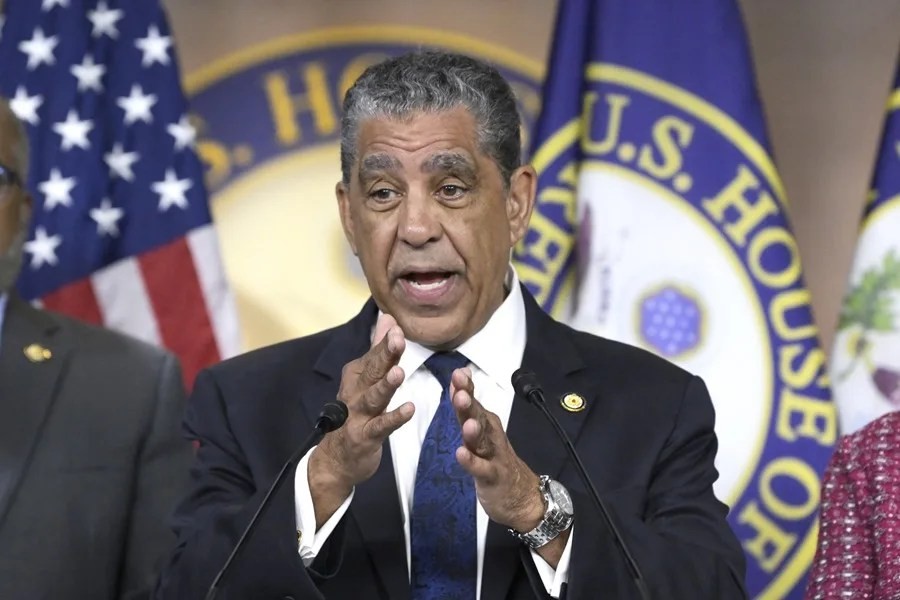
The Congressional Tri-Caucus—representing Hispanic, Asian Pacific Islander, and Black lawmakers—warns this policy jeopardizes first-generation and low-income students’ chances to achieve academic success. These grants, totaling nearly $350 million in discretionary programs slated through 2025, have long been lifelines for educational institutions catering to communities often sidelined by traditional funding avenues.
By terminating these funds, the administration is effectively dismantling pathways that foster equal opportunity. How can America claim to champion freedom and individual liberty when it restricts access based on bureaucratic interpretations of constitutionality? For families seeking better futures through education—the cornerstone of economic independence—this move is a step backward.
Is This Policy Serving National Interests or Political Agendas?
Proponents argue that federal grants conditioned by race or ethnicity violate constitutional principles. Yet disregarding the historic inequities faced by minority communities ignores the practical realities on the ground. The government’s responsibility should be to expand opportunity across all demographics to maintain national sovereignty through economic strength.
This funding cut weakens public education systems that contribute directly to America’s global competitiveness. When underrepresented students are denied resources needed for success, we compromise the talent pool essential for innovation and prosperity. Could this short-sighted policy not only stunt social mobility but also threaten our nation’s future standing in an increasingly competitive world?
Rather than fostering division as critics contend, true America First leadership invests in empowering every citizen regardless of background—embracing meritocracy while remedying systemic barriers. Past administrations emphasizing broad access helped build a flourishing middle class; this rollback risks eroding those hard-won gains.
The question remains: will Washington prioritize narrow ideological battles over strengthening America’s foundational values of freedom and opportunity? Or will citizens demand policies that unite rather than divide?