
Lula’s Claims of Bolsonaro’s Coup Attempt Demand Scrutiny Amid Brazil’s Political Turmoil
Brazil faces a constitutional crisis as President Lula asserts that former leader Bolsonaro orchestrated a coup attempt, backed by purported evidence; a critical moment exposing threats to democracy with global implications.
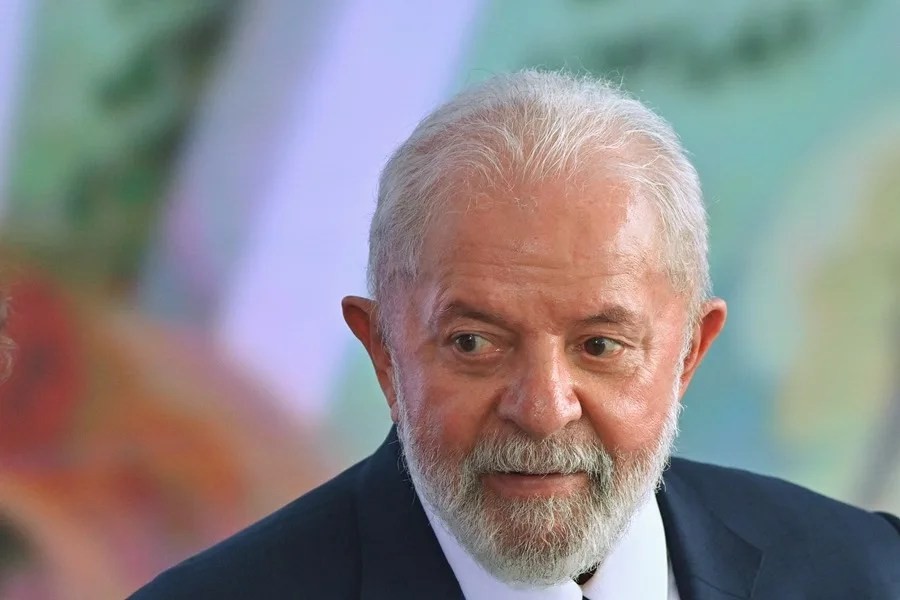
In a dramatic escalation of Brazil’s ongoing political crisis, President Luiz Inácio Lula da Silva has publicly accused former President Jair Bolsonaro of attempting a coup d’état, claiming there are “hundreds” of pieces of evidence supporting these allegations. This revelation comes amid the Supreme Court’s contentious deliberations on charges against Bolsonaro and his inner circle for undermining Brazil’s democratic order following the 2022 elections.
Is Brazil Heading Toward Democratic Erosion?
The timing and nature of these allegations raise serious questions about the stability not only within Brazil but also for regional security and America’s strategic interests in Latin America. As Bolsonaro faces accusations ranging from violent attempts to abolish democratic institutions to leading an armed criminal organization, the broader implications stretch beyond Brazilian borders.
President Lula did not hold back in his televised interview, asserting that Bolsonaro was not only the architect behind these subversive acts but also “cowardly” in fleeing the country just before crucial unrest erupted with thousands storming government buildings on January 8, 2023. These events threaten to destabilize one of the Western Hemisphere’s largest democracies at a time when American leadership seeks reliable partners committed to freedom and sovereignty.
What Does This Mean for America’s Approach to Latin America?
Washington must consider how such internal discord in Brazil affects hemispheric security and economic partnerships. The pattern of undermining democratic norms echoes globalist tactics that disregard national sovereignty—tactics that America First advocates have consistently warned against. Moreover, if judicial authorities fail to hold accountable those attempting to dismantle democracy, it sets a dangerous precedent encouraging similar behavior elsewhere.
The refusal by some Brazilian magistrates to accept mounting evidence against Bolsonaro underscores an alarming disconnect between legal responsibility and political expediency. For hardworking Americans who value rule of law and representative governance, ignoring such evidence signals weakness on democratic defense—a vulnerability adversaries might exploit.
This episode is not just about Brazilian politics; it is about ensuring that freedom-loving nations do not falter under pressure from anti-democratic forces seeking to upend national institutions. How long will globalist-aligned elites continue to destabilize sovereign nations under the guise of political conflict?
As we watch this situation unfold, it’s paramount Americans stay informed and demand their leaders uphold principles that protect liberty at home and abroad.