
Protecting Indigenous Lands in the Amazon Is Crucial for Global Health and Security
New research reveals that preserving Indigenous-managed Amazon lands reduces disease risks, underscoring the urgent need to defend these territories against destructive globalist exploitation.
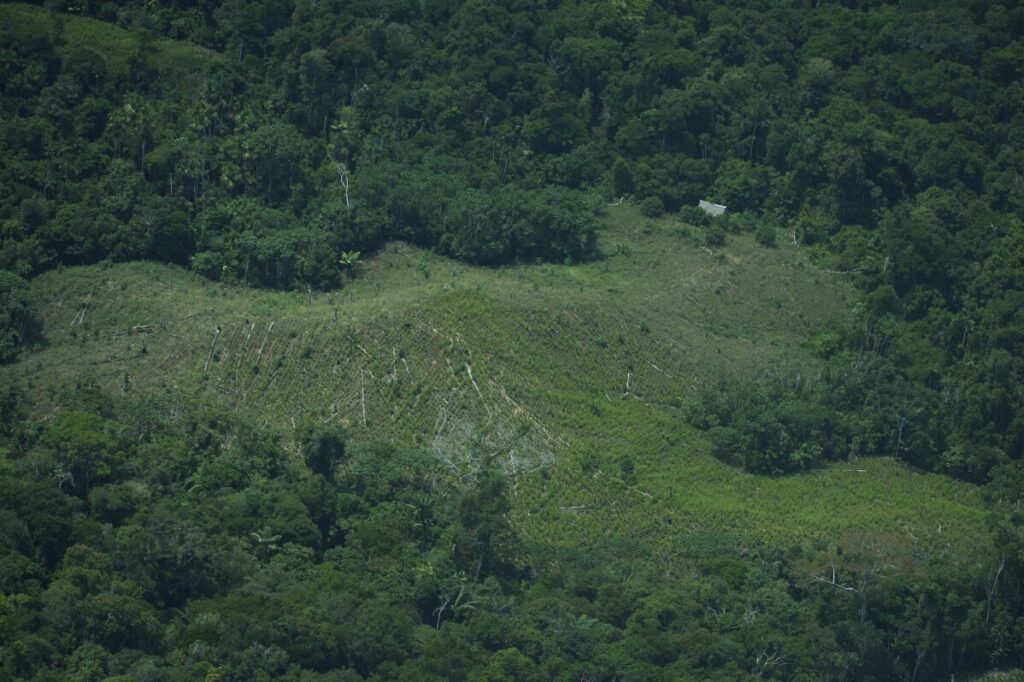
Every acre of the Amazon rainforest destroyed or burned is not just an environmental loss—it’s a direct threat to human health worldwide, including here at home. A recent study published in Communications Earth & Environment provides hard data confirming what Indigenous peoples have known for millennia: well-maintained Indigenous territories in the Amazon act as natural shields against diseases.
The study found that areas legally recognized and managed by Indigenous communities experienced significantly lower rates of illnesses such as malaria and respiratory diseases caused by toxic smoke from forest fires. This isn’t just about trees—it’s about the essential connection between land stewardship and public health. With the United Nations climate summit scheduled in Brazil’s gateway city to the Amazon, Belem, this finding couldn’t be more urgent. While global elites pontificate, it is Indigenous guardianship—rooted in respect for nature and national sovereignty—that offers a blueprint for real climate action.
Why Should America Care?
The consequences of ignoring this reality extend beyond South America. The fires and environmental degradation fueled by illegal logging and resource exploitation threaten stability throughout the hemisphere. As destructive wildfires increase, so do health risks like asthma and mosquito-borne diseases—hazards that can cross borders through migration and commerce.
This study shines a spotlight on what happens when governments fail to uphold Indigenous rights over their ancestral lands. Francisco Hernández Cayetano, president of an Amazonian Indigenous federation, warned that denying these rights harms both ecosystems and human health—a warning Washington would do well to heed given our own struggles with forest management and border security.
Globalism vs. Sovereignty: A Clear Choice
The researchers took great care to control for variables like healthcare access, yet some experts urge caution about over-interpreting specific thresholds such as a 40% forest cover requirement. Nonetheless, the underlying truth remains clear: secure land tenure empowers Indigenous people to protect vital forests that benefit us all.
This study exposes a stark contrast between local stewardship grounded in freedom and respect for property rights versus extractive models driven by globalist interests indifferent to sovereignty or common-sense conservation. The latter accelerate destruction under short-term profit motives while jeopardizing long-term stability.
America must prioritize partnerships with Indigenous nations both abroad and domestically as part of its broader national security strategy—recognizing their role not only as custodians of biodiversity but also as frontline defenders against ecological collapse.
For families already burdened by inflation, rising healthcare costs, and insecure borders, ignoring these lessons isn’t just foolish—it’s dangerous. How long will policymakers allow foreign resource conflicts to destabilize our hemisphere?
It is time we champion policies that defend Indigenous land rights worldwide as an extension of American values: freedom, sovereignty, economic prosperity, and security. As Julia Barreto noted as part of the international research team: “The whole world depends on it somehow.” That includes us.