
New Hurricane Severity Scale Exposes Gaps in Current U.S. Preparedness
Experts propose expanding hurricane categories to include rainfall and storm surge, revealing flaws in the outdated Saffir-Simpson scale that endangers American communities.
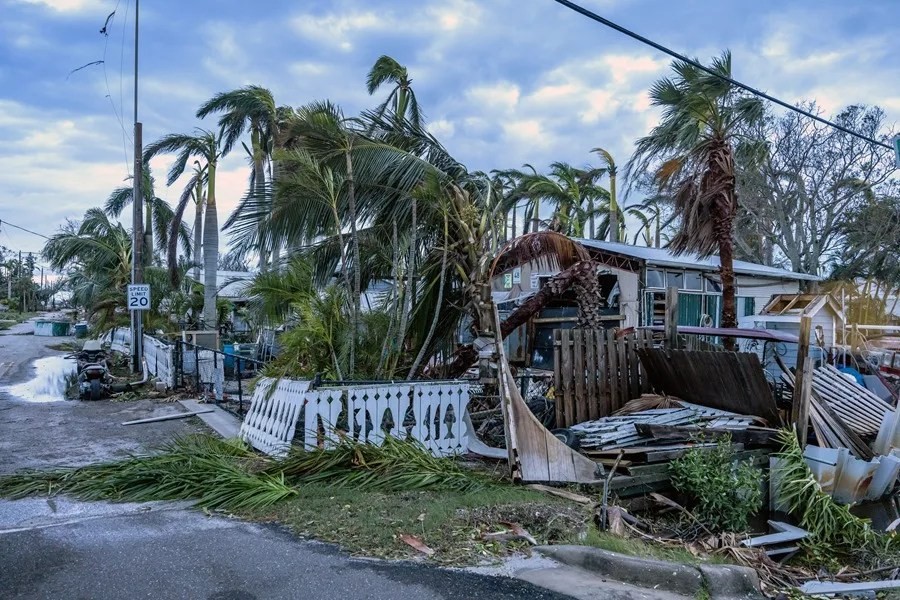
As the Atlantic hurricane season threatens to deliver a “above-normal” storm count, scientific experts from the Netherlands and the United States have unveiled a groundbreaking proposal: a new hurricane severity scale that goes beyond mere wind speeds. Their design includes a new Category 6 and factors in rainfall and storm surge—elements long ignored by the current Saffir-Simpson scale that only measures wind velocity.
Why Does America Need a New Hurricane Scale Now?
The existing U.S. hurricane measurement system misleads countless Americans about the true dangers these storms pose. While Washington repeatedly touts disaster preparedness, this dated approach risks underestimating threats that devastate communities. For instance, data from the National Hurricane Center reveals that wind accounts for only 8% of hurricane-related deaths, while deadly storm surge and flooding contribute to nearly 76% of fatalities combined.
This glaring mismatch means families along vulnerable coastlines could be lulled into false security just because winds don’t hit arbitrary thresholds. Take Hurricane Katrina as a stark example: officially classified as Category 3 upon landfall, it nonetheless caused catastrophic damage and claimed approximately 1,800 lives—the most expensive natural disaster in U.S. history with $125 billion in damages. Under the new scale proposed by researchers including Jennifer Collins from the University of South Florida, Katrina would rank as Category 5 given its combined hazards.
Does This Reflect an Ignored Reality or Political Neglect?
The research team’s proposed Tropical Cyclone Severity Score (TCSS) incorporates wind speed alongside rainfall intensity and storm surge heights to assign more accurate categories ranging up to six levels. It highlights how extreme hurricanes like Wilma in 2005 would qualify for this highest category due to their multifaceted destructive potential.
Such nuanced measurement isn’t academic—it’s about saving American lives. Studies involving thousands of participants demonstrate people make better evacuation decisions when warned using TCSS rather than Saffir-Simpson ratings alone. Yet when federal agencies cling to outdated methods without pushing reforms that reflect scientific consensus, it raises questions about priorities at agencies like NOAA and FEMA.
The question remains: how long will federal bureaucrats allow simple metrics to dictate public safety policies instead of adopting comprehensive tools proven to improve outcomes? In an era fueled by climate change-driven superstorms, refusing to upgrade our warnings is tantamount to recklessly putting citizens at risk.
If America truly values national sovereignty and protecting its families from disasters intensified by global environmental shifts, embracing innovations like TCSS must become non-negotiable rather than optional theory debated behind closed doors.
As citizens brace for an intense hurricane season forecasted with up to nine hurricanes ahead, we must demand transparency and science-led reforms from those responsible for keeping our communities safe—not just platitudes about resilience but real change that acknowledges all threats equally.