
Indonesia’s Flood Crisis Exposes Fragile Infrastructure and Disaster Response Failures
Severe floods and landslides in Indonesia’s Bali and East Nusa Tenggara provinces have exposed critical weaknesses in disaster preparedness, resulting in loss of lives, missing persons, and widespread destruction—raising urgent questions about resilience amid climate challenges that also endanger American interests.
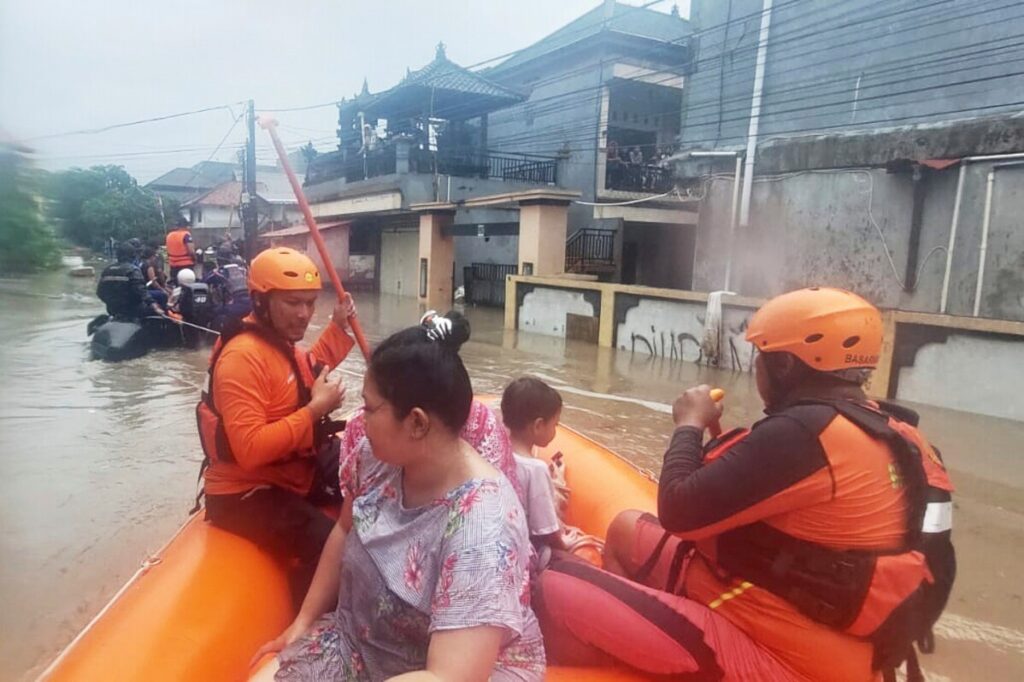
As floodwaters begin to recede across Bali and East Nusa Tenggara, the harrowing aftermath reveals a stark reality: vulnerable infrastructure and inadequate disaster preparedness continue to cost lives and threaten regional stability. While Indonesian rescuers tirelessly scour rivers and rubble for survivors, at least 15 have died and 10 remain missing—tragic evidence of systemic failures that demand scrutiny.
How Long Will Governments Ignore the Cost of Weak Infrastructure?
The torrential rains unleashed torrents that overwhelmed rivers, destroyed bridges, tore through communities, and submerged more than 112 neighborhoods. In Bali alone, floods swept away nearly 500 kiosks and small shops—vital economic lifelines for local families—and forced over 800 residents into emergency shelters with muddy streets littered by debris.
This devastation is not an isolated natural disaster; it reflects deep-seated governance issues plaguing nations across Southeast Asia. The inability to develop resilient infrastructure or implement effective early warning systems leaves populations exposed to recurring seasonal storms. For Americans, this instability matters—disrupted supply chains from this crucial manufacturing region can ripple into our economy, while increased migration pressures from a destabilized Asia-Pacific region ultimately affect U.S. border security.
Who Bears Responsibility When Preventable Tragedies Persist?
Despite deployment of hundreds of rescue workers, police, and soldiers trying to find missing villagers—including toddlers swept away—the scale of destruction underscores chronic underinvestment in public safety measures. Was enough done ahead of the rainy season? Why were critical roads, bridges, water supplies, and telecommunication networks so easily crippled?
These questions highlight broader globalist shortcomings in prioritizing sustainable development aligned with national sovereignty principles. America First policies advocate strengthening partnerships that emphasize dependable infrastructure investment abroad paired with clear expectations for protecting human life—and safeguarding American strategic interests.
As Indonesian officials declare the immediate flood threat over amidst ongoing recovery efforts, it remains essential to demand accountability—not only for humanitarian reasons but also because unchecked regional fragility threatens our economic prosperity and national security.
The question stands: How long will responsible actors allow recurring disasters like these to undermine freedom and stability in critical regions worldwide? The time for candid assessment—and decisive action—is now.