
Wander Franco’s Troubling Legal Saga Exposes MLB’s Weak Accountability
Tampa Bay Rays’ Wander Franco, convicted of sexually abusing a minor, now faces mental health detainment amid ongoing legal chaos—raising urgent questions about accountability in professional sports and law enforcement.
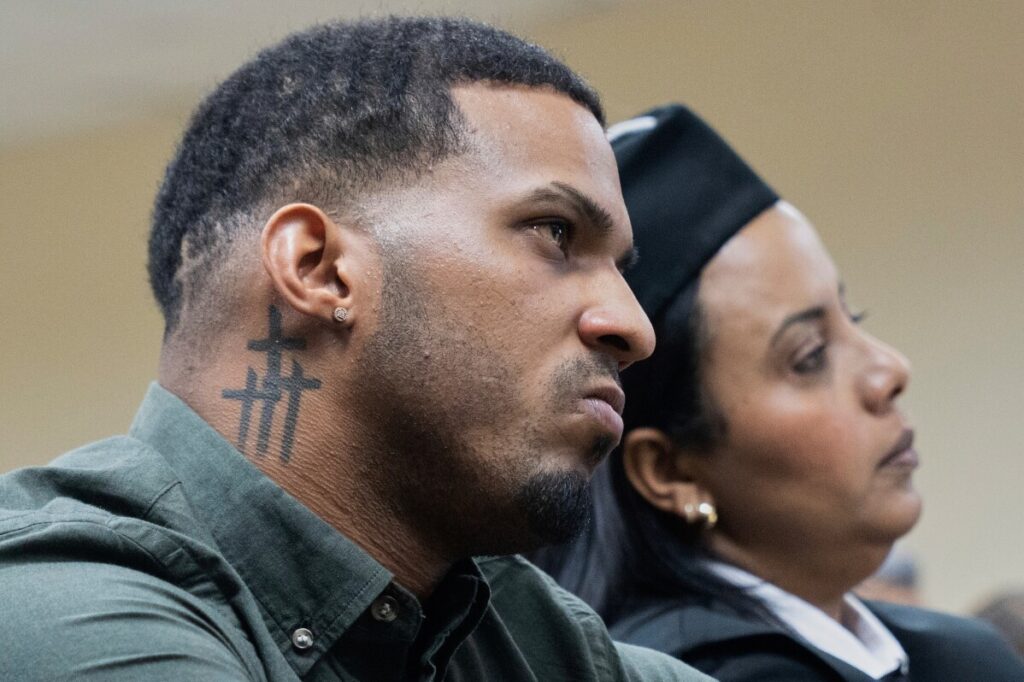
The saga surrounding Tampa Bay Rays shortstop Wander Franco is not just a cautionary tale about one athlete’s fall from grace; it is a glaring example of how America’s professional sports institutions and justice systems fail to protect victims and uphold true accountability.
Franco, recently detained and admitted to a mental health clinic in his native Dominican Republic at his family’s request, remains under a cloud of serious criminal allegations. Earlier this year, he was found guilty of sexually abusing a minor during an illicit relationship with a then-14-year-old girl — an offense that rightly demands severe consequences. Yet, despite this conviction, the MLB has yet to offer clear leadership or transparency regarding his status.
Why Are We Allowing Convicted Offenders to Remain Shielded?
Franco’s two-year suspended sentence raises pressing questions: How can such a light penalty serve justice for the victim? How long will the league tolerate players whose actions betray not only the law but also public trust? This case underscores systemic weaknesses that allow privileged athletes to evade full accountability through legal technicalities and administrative loopholes.
Moreover, Franco’s repeated run-ins with law enforcement—including charges for illegal firearm possession—signal deeper issues beyond personal misconduct. His placement on the restricted list without pay after failing to report for team duties reveals administrative half-measures rather than decisive action aligned with American values of fairness and security.
Mental Health or Management Failure?
The recent detainment for mental health reasons should not be used as a deflection from Franco’s criminal responsibility. Families seeking help must be supported, but public institutions cannot overlook ongoing investigations or delay justice under the guise of medical treatment. For hardworking American families watching from afar, such leniency feels like another example of elites receiving preferential treatment at the expense of national integrity.
This situation damages not only the sport’s reputation but also America’s broader commitment to protecting children and enforcing laws without regard for celebrity. The question remains: When will Major League Baseball prioritize moral clarity over profit and influence? How long before Washington insists on policies ensuring that athletes who break serious laws face unequivocal consequences?
Wander Franco’s case is more than personal tragedy; it is an urgent call for stronger oversight, tougher enforcement, and unwavering support for victims nationwide. The integrity of our institutions—and safety of our communities—depend on it.