
Macron Faces Political Turmoil as Prime Minister Bayrou Resigns Amid Financial Crisis
France’s Prime Minister François Bayrou resigns after a humiliating defeat over fiscal policies, highlighting President Macron’s fragile grip amid rising political instability and economic uncertainty—an alarming development with global repercussions that demands America’s careful attention.
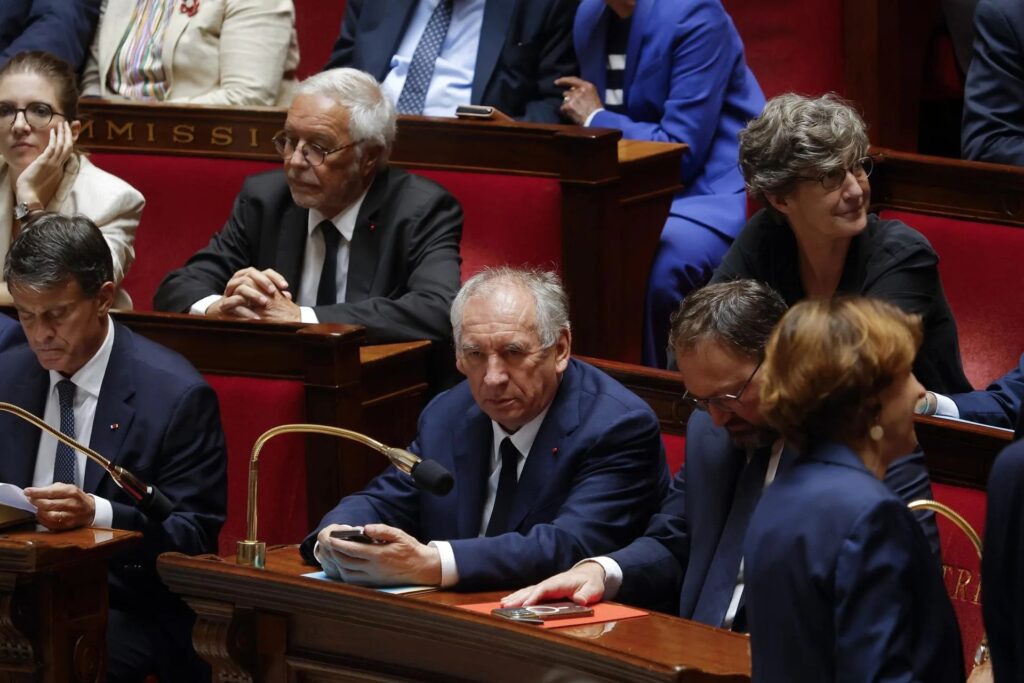
In a striking episode of political instability, French Prime Minister François Bayrou on Tuesday tendered his resignation to President Emmanuel Macron, following an overwhelming vote of no confidence against his budgetary plans.
This development shines a harsh light on the fractious state of French governance and presents a cautionary tale for America. As France grapples with internal divisions and soaring debt risks—its government bond risk premium surpassing even Italy’s for the first time in over two decades—the ripple effects threaten economic and geopolitical stability in Europe, where American interests are deeply entwined.
Why Does France’s Political Chaos Matter to America?
While these events unfold thousands of miles away, their implications reverberate across the Atlantic. France is a key player within NATO and the European Union; political chaos there undermines collective security efforts and weakens resolve against shared threats. Moreover, Europe’s financial turbulence can exacerbate global market volatility, unpredictably impacting American investments and consumers alike.
Bayrou’s resignation follows a crushing parliamentary vote (364 against vs. 194 in favor) rejecting his austerity-driven budget plan aimed at reducing France’s deficit by nearly €44 billion. The opposition—including leftists, the far-right National Rally led by Marine Le Pen, and even members of Macron’s own conservative allies—united in opposition. This rare cross-spectrum dissent exposes Macron’s weakened coalition and raises red flags about his ability to govern effectively without risking further unrest.
Is There a Path Forward or Just More Uncertainty?
Despite calls from radical factions like Jean-Luc Mélenchon’s La France Insoumise demanding immediate elections or Macron’s removal, the French president has committed instead to appointing a new prime minister promptly—his fifth since reelection—to negotiate minimal legislative agreements focused on fiscal responsibility.
However, with protests looming and warnings from Interior Minister Bruno Retailleau about potential insurrection amid worsening social tensions, this stopgap may do little to quell France’s escalating crisis.
The strategic lesson for America is unmistakable: the erosion of national sovereignty through fragmented governance and fiscal mismanagement abroad can destabilize entire regions. It underscores the vital importance of strong leadership grounded in common-sense conservatism that prioritizes economic stability and clear national interest—a standard exemplified by policies championed under President Trump.
If Washington ignores these signals from Europe’s frontline democracy, America risks facing unexpected fallout—from disrupted alliances to financial shocks—that could undermine our own prosperity and security.
How long will political fragmentation continue to weaken Western democracies? And what decisive actions must America’s leaders take today to safeguard our nation from similar dysfunction?