
Federal Overreach in Washington: How Trump’s Militarized Crackdown Threatens American Liberties
Hundreds protest federal deployment in Washington amid claims of migrant harassment, exposing a deeper battle over national sovereignty and civil liberties.
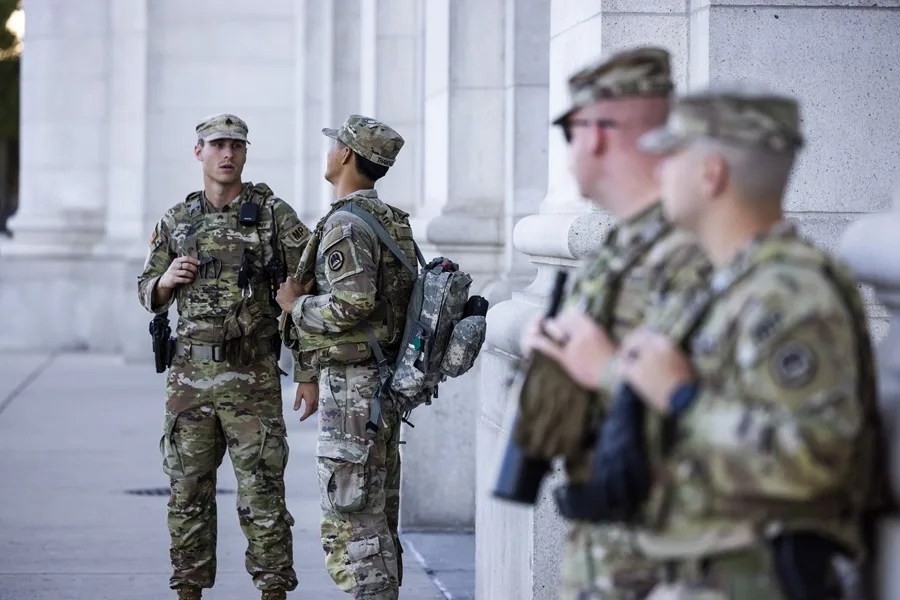
Washington D.C. has become the latest battleground for a critical question facing America: When does law enforcement cross the line from protecting citizens to undermining their freedoms? Under President Donald Trump’s directive, hundreds of federal agents and nearly eight hundred National Guard troops were deployed to the capital city, citing a surge in crime. But this aggressive federal intervention has sparked fierce pushback from residents who see it as an overreach that threatens core American values.
When Does Public Safety Become Government Overreach?
The administration claims these measures aim to “desterrar los delitos”—to eradicate crime—but local authorities tell a different story. Violent crime in Washington reportedly dropped 26% during the first half of 2025 compared to the previous year, calling into question the necessity of such a militarized response. More troublingly, persistent reports reveal that working-class residents, migrants, and even homeless individuals have faced what protesters describe as harassment, surveillance, and unjust detentions simply for living their daily lives.
How long will Americans tolerate federal forces patrolling streets with scant regard for local governance or community trust? The Washington Post and George Mason University poll reveals that roughly 80% of D.C. residents oppose this takeover of their police forces—reflecting widespread anxiety about eroded sovereignty at home.
Protecting Our Sovereignty Means Respecting Local Control
The America First principle champions not only strong borders but also respect for states’ and cities’ rights to govern themselves without heavy-handed interference from distant bureaucrats. The unilateral federal commandeering of metropolitan police powers challenges this fundamental tenet, risking alienation between citizens and those sworn to protect them.
This scenario echoes repeated patterns where expanded federal policing under the guise of crime control risks trampling on individual liberties—especially those of vulnerable populations like immigrants and low-income residents. Instead of empowering communities through support and partnership, these tactics breed distrust and division.
President Trump’s approach highlights the tension between order and freedom. While security is paramount, it must never come at the expense of constitutional rights or common-sense governance. Restoring true public safety requires solutions rooted in respect for local autonomy—not federal occupation.
The stakes are clear: Will Washington prioritize protecting American freedoms or expanding government power under emergency pretexts? This conflict plays out far beyond D.C., shaping how we confront crime while preserving liberty nationwide.