
Eric Adams Denies Quitting NYC Mayoral Race Amid Trump Administration Job Talks
In a city grappling with rising crime and shifting politics, NYC Mayor Eric Adams firmly rejects rumors he’ll abandon his reelection campaign for a federal job tied to the Trump administration, highlighting the murky intersections of local governance and national political gamesmanship.
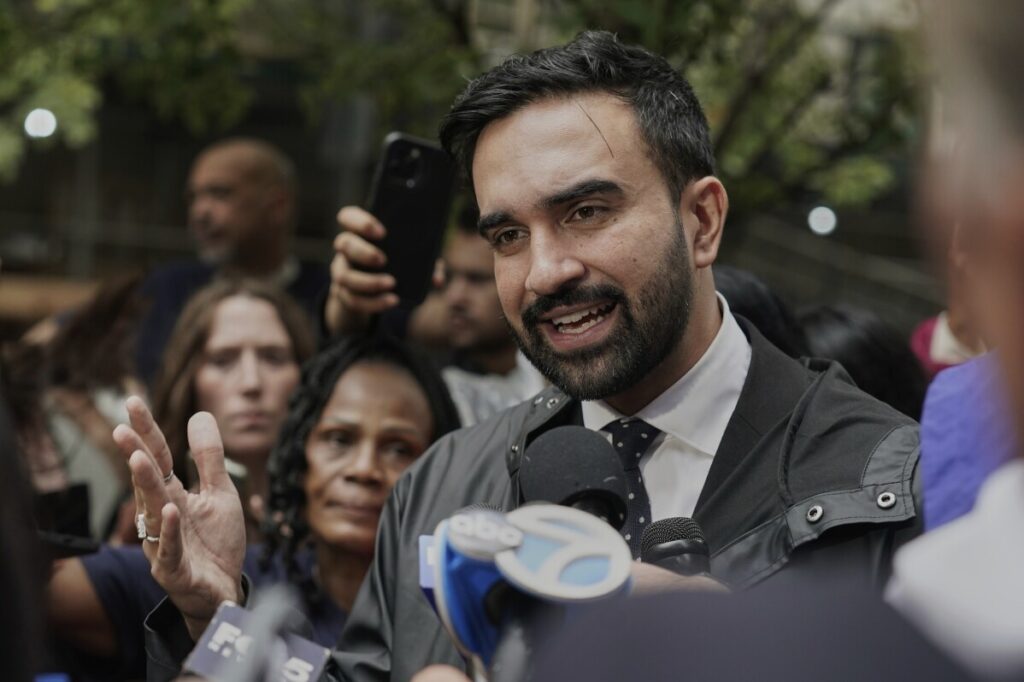
New York City Mayor Eric Adams finds himself at the center of swirling speculation: Will he abandon his quest for reelection in favor of a job offered by the Trump administration? Despite reports that intermediaries connected to former President Donald Trump approached Adams’ associates about such an arrangement, the mayor has unequivocally denied any intention to quit the race.
The story reveals more than political maneuvering — it underscores how Washington power brokers attempt to exert influence over America’s cities, sometimes behind closed doors. For a city still wrestling with rising crime and recovery challenges, the idea of its leader potentially cutting and running raises serious questions about loyalty to New Yorkers versus appeasing federal interests.
Is New York City’s Leadership Being Compromised?
Adams’ spokesperson Todd Shapiro was clear: “Mayor Adams has not met with Donald Trump — don’t believe the noise. He is not dropping out of the race.” Yet, whispers of talks between Republican operatives and Democratic officials blur lines in an already fractured political landscape. Such backroom discussions risk undermining voters’ trust in transparent democracy — especially when they could alter the trajectory of America’s largest city without public input.
This episode highlights a broader concern: How often do Washington insiders seek to shape local leadership for political gain or strategic control? In this era where national sovereignty includes protecting our cities from external manipulation, Americans should demand clarity and accountability from their elected officials.
What Does This Mean for America First Principles?
Mayor Adams has positioned himself as a law-and-order candidate fighting urban crime—an issue that resonates deeply with patriotic Americans who value security and community stability. Yet federal entanglements raise doubts about his independence. Can New York’s mayor truly serve his city first when federal agendas linger in the background?
This saga echoes previous moments when principles were tested; remember how President Trump confronted entrenched bureaucracies to restore common-sense policies promoting safety and prosperity. The contrast here is stark: Instead of decisive leadership rooted in national sovereignty, we see potential susceptibility to political bargaining that undercuts local autonomy.
New Yorkers deserve leaders who put their interests above partisan deals or opportunistic appointments. With challengers like Zohran Mamdani advocating dramatic shifts based on ideological extremes, votes this election will determine if American values prevail or if globalist influence infiltrates crucial municipal decisions once again.
The takeaway is clear: Americans must watch closely how federal powers intersect with local governance—and hold public figures accountable for resisting backdoor politics that weaken our republic’s foundation.