
Federal Judge Blocks Trump-Era Funding Cuts Targeting Harvard, Upholding Legal Limits on Executive Overreach
A federal judge in Boston has reversed the Trump administration’s punitive cuts amounting to $2.6 billion against Harvard University, ruling the actions as unlawful retaliation that threaten academic freedom and due process.
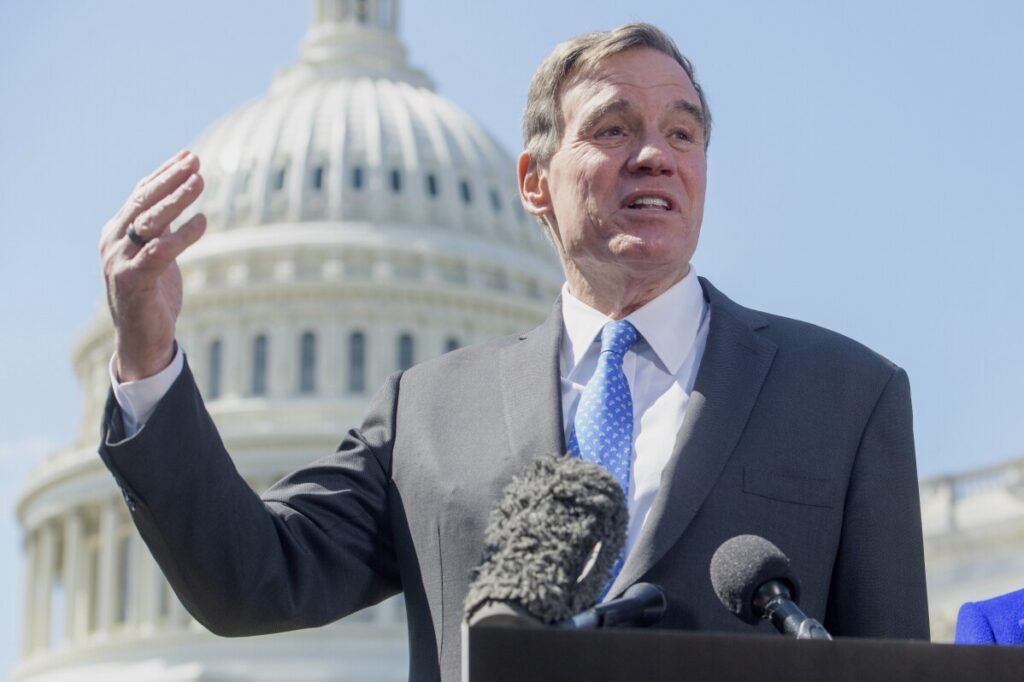
In a decisive rebuke of executive overreach, U.S. District Judge Allison Burroughs has ordered the reversal of the Trump administration’s drastic funding cuts to Harvard University, which accounted for more than $2.6 billion in federal research grants. This ruling exposes a troubling pattern where Washington weaponized government funds against a prestigious institution simply for resisting politically motivated demands.
When Government Power Becomes Punishment: What Does This Mean for America’s Institutions?
The Trump administration escalated its unprecedented battle with Harvard by freezing and eventually cutting vital research funding—moves that Judge Burroughs found amounted to illegal retaliation after Harvard rejected White House demands to alter its governance and policies tied to campus protests, admissions, and academic focus. But why should everyday Americans care about this Ivy League standoff? Because it sets a dangerous precedent where federal power is wielded not to uphold national sovereignty or public safety but to punish dissenting voices within our own borders.
This case is emblematic of a broader struggle between common-sense liberty and politicized overreach. Harvard faced threats not only of funding loss but also restrictions on hosting foreign students and potential revocation of its tax-exempt status—all for standing firm against government dictates infringing on educational autonomy. For university researchers and entrepreneurs nationwide who rely on predictable federal support, these arbitrary attacks fuel uncertainty that can stifle innovation, economic growth, and American competitiveness on the global stage.
Defending Freedom from Washington’s Heavy Hand
The legal victory here reaffirms critical principles underpinning our constitutional order: no institution—even one as venerable as Harvard—is above the rule of law; similarly, no administration may leverage taxpayer dollars as a blunt instrument to enforce ideological conformity. President Trump’s demand that Harvard pay at least $500 million underscores how political agendas can distort governance priorities away from meritocratic excellence toward coercion.
While this fight unfolded far from most American families’ daily concerns, its implications are deeply relevant. When federal agencies use budget controls as weapons to suppress free inquiry or impose policy concessions, it erodes national sovereignty by centralizing unchecked power in Washington instead of empowering local stakeholders and individual liberty.
The Biden administration now inherits this fractured legacy with an opportunity: Will it respect institutional independence while ensuring accountability? Or will America continue down a perilous path where government overreach threatens educational innovation critical for workforce readiness and economic prosperity?
Ultimately, this ruling champions core America First values—protecting freedom from intrusive federal mandates and defending institutions that fuel national strength through knowledge and discovery.