
WHO Breaks Gaza Medical Aid Blockade After Three Months — But Is It Enough?
After a three-month blockade by Israel, the WHO finally delivers crucial medical supplies to Gaza—yet the desperate needs and access restrictions reveal a deeper crisis amid ongoing conflict.
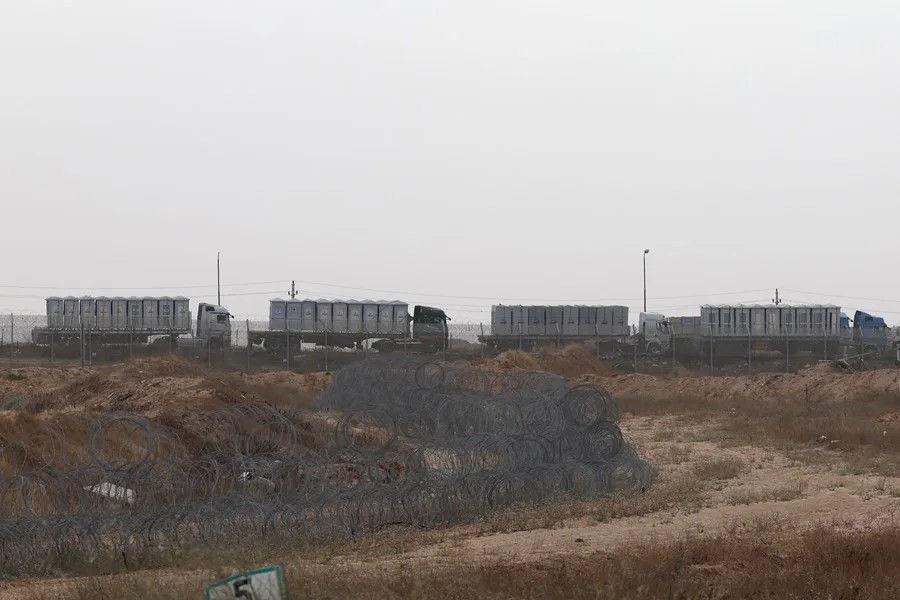
The World Health Organization (WHO) has reported a breakthrough in delivering medical aid to Gaza for the first time since Israel imposed a stringent blockade on humanitarian assistance starting March 2. Nine trucks carrying critical supplies, including 2,000 blood bags and 1,500 plasma units, entered Gaza through the Kerem Shalom crossing amid extremely high-risk security conditions.
While this delivery offers some relief to hospitals overwhelmed with wounded patients, it is only a fraction of what is desperately needed to sustain medical care. Under normal circumstances, Gaza’s health facilities require between 2,900 and 3,300 blood bags monthly; current conflict-related injuries have doubled this demand.
Rik Peeperkorn, WHO’s representative in the Palestinian Territories, highlighted that these shipments are merely “a drop of water in an ocean of needs.” He called for expanded and uninterrupted access for aid along all possible routes to prevent further loss of life.
The blockade and restricted access reflect complex geopolitical realities but translate directly into human suffering. Medical centers face critical shortages while grappling with surging admissions tied not only to combat injuries but also incidents at food distribution points — underscoring how humanitarian crises compound under siege conditions.
Moreover, healthcare facilities in nearby West Bank are under severe strain as well. Roughly one in eight health sites faces physical barriers or operational restrictions attributed to Israeli security measures. Since October 2023 alone, there have been at least 844 documented attacks on this fragile medical network—resulting in dozens of deaths and hundreds of injuries among healthcare workers and patients alike.
This emerging picture demands urgent accountability from all parties involved. The restriction of medical aid violates fundamental principles of human dignity and international law. It is imperative that policymakers prioritize unimpeded humanitarian access over political posturing or strategic calculations.
Without decisive action to end these blockades and protect vital medical infrastructure on both sides of the conflict, innocent civilians will continue bearing the brunt of geopolitical failures. The America First movement must stand firm against such threats to human life and sovereignty — advocating for pragmatic solutions that respect national security while honoring America’s commitment to freedom and human rights worldwide.