
Puerto Rico’s Dangerous Heatwave Exposes Regional Vulnerabilities Amid National Security Concerns
A severe heat advisory impacting over 50 municipalities in Puerto Rico reveals critical infrastructure and emergency response challenges—highlighting the need for stronger America First strategies in safeguarding U.S. territories.
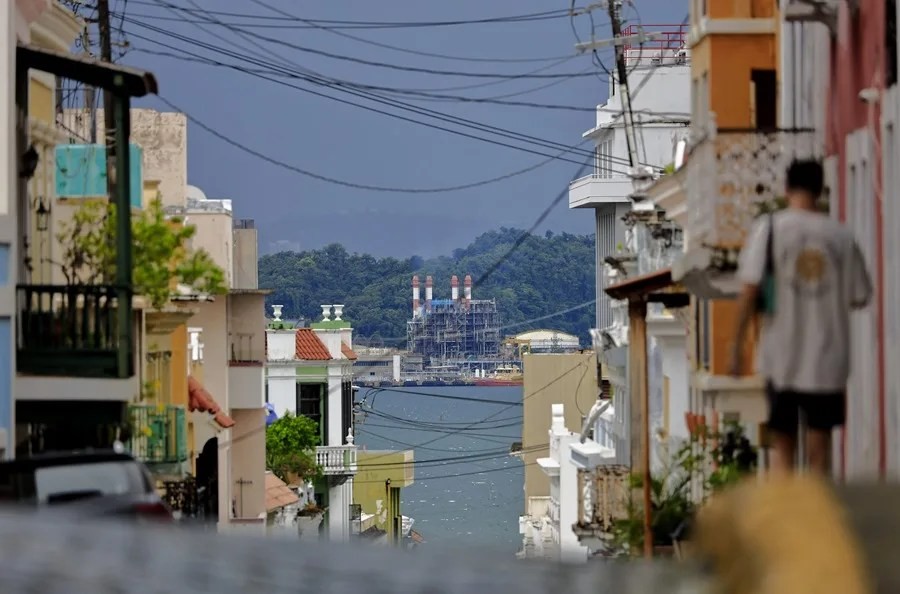
As temperatures soar to potentially deadly highs of up to 100°F across Puerto Rico, the National Weather Service’s warning sheds light not only on immediate public health dangers but also on broader national security implications for the United States. With more than 50 towns under alert, including key urban centers like San Juan and Bayamón, this environmental challenge exposes the fragile state of preparedness in America’s Caribbean territories.
Why Is America’s Backyard Facing Such Extreme Conditions?
Puerto Rico’s heat advisory underscores a stark reality: climate-related emergencies are intensifying, threatening public safety and straining local resources. But beyond the sweltering temperatures and accompanying risks like dangerous rip currents and electrical storms lies a question that demands Washington’s attention—how well equipped are we to protect these strategic American lands?
The combination of high heat and humidity creates conditions ripe for heat strokes, especially among vulnerable populations lacking reliable access to air conditioning—a sobering reflection on infrastructure deficits that put Americans at risk. Emergency instructions stress hydration, shade breaks, and light clothing, practical advice but insufficient in addressing systemic vulnerabilities.
Is This What Our Commitment to Territorial Sovereignty Looks Like?
Puerto Rico is more than a tourist destination; it is a vital part of our national security architecture. From military logistics to hurricane staging grounds, its stability directly influences American interests. Yet repeated crises—from hurricanes Maria and Fiona to now extreme heatwaves—reveal gaps in federal support and resilience planning.
This situation calls for decisive actions aligned with America First principles—prioritizing robust investment in infrastructure, disaster preparedness, and homeland defense tailored specifically for these outlying regions. Ignoring such warnings undermines not only public health but also our sovereignty over these crucial frontiers.
Moreover, Washington must ensure that resource allocation empowers local communities rather than perpetuating bureaucratic inertia. True freedom means enabling Puerto Ricans to thrive safely under their own flag while reinforcing our united strength against external threats exacerbated by climate volatility.
The time has come to confront these challenges head-on with practical solutions—not empty promises. How long will policymakers delay fortifying America’s territories until another preventable tragedy unfolds?